Crack vs Cocaine: Dangerous Effects That Destroy Lives
Crack vs Cocaine
Crack and cocaine are two forms of the same stimulant drug derived from the coca plant. Both cause addiction, severe health risks, and major social impact. Despite being chemically related, their route of administration, potency, and side effects vary.
Coca Plant and Origins
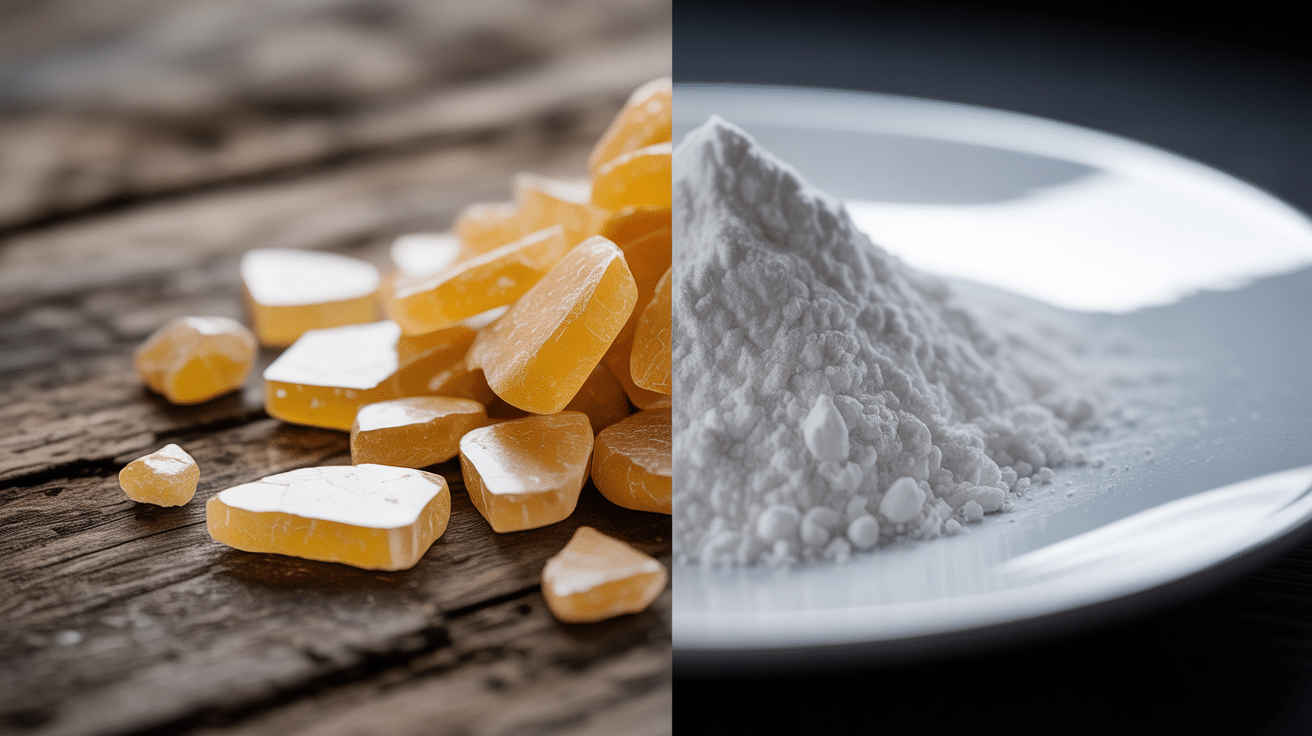
Cocaine comes from the leaf of the coca plant, which has been used for centuries in South America. The active ingredient is cocaine hydrochloride, which is refined into a white powder. Crack, on the other hand, is a crystal-like mixture created by processing powder cocaine with water and baking soda.

Crack vs Cocaine Form
Effects on the Brain
Both drugs overstimulate the brain’s reward system, flooding it with dopamine. This surge creates short-lived pleasure and alertness but also drives addictive behavior. The brain becomes conditioned to chase that high, which can lead to stimulant use disorder.
Dopamine and Addiction
Repeated use changes the nervous system by reducing natural dopamine function. Patients often feel fatigue, anxiety, and depression when not using. This cycle makes relapse a constant risk without therapy and proper treatment programs.
Health Risks of Crack vs Cocaine
Crack and cocaine carry serious risks to health. Crack smoke damages lung tissue, increases risk of shortness of breath, and can cause hyperthermia. Powder cocaine can raise blood pressure, cause headaches, and lead to cardiac arrest or stroke.
Short-Term Risks
Both increase heart rate, energy, and mood temporarily. They can cause appetite suppression, insomnia, and heightened stress. Even small doses can trigger side effects such as paranoia, psychosis, or violent behavior.

Long-Term Risks
Long-term use damages gums, skin, and nasal tissue. The mixture of chemicals in crack raises the risk of hepatitis and infections. Both can lead to fatal overdose, with death often caused by breathing failure, high blood pressure, or heart failure.
Crack vs Cocaine Potency and Dose
Crack is often considered more potent because smoking provides an intense high in seconds. Cocaine powder, snorted or injected, produces a slower onset. The fast rush of crack encourages repeated use in a short time, which increases addiction risk.
Route of Administration
Smoking delivers the drug rapidly to the brain, amplifying both pleasure and side effects. Snorting cocaine leads to slower absorption through blood vessels in the nose. Injecting dissolved powder provides another dangerous route that raises overdose risk.
Mental Health and Dual Diagnosis
Addiction rarely happens alone. Patients often face mental health disorders such as anxiety, depression, or stress. Crack addiction and cocaine abuse often require dual diagnosis treatment that addresses both substance use disorder and psychiatric disease.
Therapy for Recovery
Cognitive Behavioral Therapy (CBT) and Dialectical Behavior Therapy (DBT) help patients identify triggers and coping skills. Contingency management rewards positive behavior and sobriety milestones. Peer support and education improve long-term outcomes.
Dual Diagnosis and Mental Health
Addiction often overlaps with other mental health conditions, known as dual diagnosis. Patients using crack or cocaine may struggle with disorders like depression, anxiety, or stress, which can worsen drug abuse patterns. Addressing only the drug use without treating the co-occurring disorder increases the chance of relapse.
Treatment programs must integrate care for both substance abuse and mental health disease. Dialectical Behavior Therapy, Cognitive Behavioral Therapy, and contingency management are highly effective in helping patients cope with mood disorders while managing cravings. This approach ensures recovery addresses the brain, behavior, and overall health.
Social and Legal Impact
Crack vs cocaine also differs in how criminal law has treated them. In the past, sentencing disparity led to harsher penalties for crack possession compared to powder cocaine. This fueled cycles of poverty, violence, and incarceration.
Sentences and Criminal Law
A crack charge could result in a longer sentence than the same dose of powder cocaine. Advocacy and research have highlighted these disparities, leading to reforms. Still, both remain controlled substances under the Controlled Substances Act.
Comparing Risks with Other Drugs
Cocaine and crack are often used alongside other drugs like alcohol, opioids, or methamphetamine. Combining stimulants with alcohol or fentanyl dramatically increases the risk of overdose and death. Patients with prescription drug addiction may transition into stimulant abuse.
Risk of Polysubstance Use
Mixing drugs overwhelms the central nervous system, raising the chances of cardiac arrest. The combination of stimulants with depressants like benzodiazepine or alcohol masks overdose symptoms until it’s too late.
Crack Addiction Treatment Programs
Recovery from crack addiction or cocaine use disorder requires structured treatment services. Medical detox provides safety while withdrawal symptoms like insomnia, fatigue, and anxiety are managed. Medications and nursing support reduce stress and stabilize the patient.
Evidence-Based Care
Treatment programs at centers like American Addiction Centers or Recovery Village often use therapy, peer support, and coping strategies. Nashville Wellness also offers medical detox and therapy programs for stimulant use disorder, focusing on accessibility and patient-centered care.
Role of Medication
Although no FDA-approved medication exists specifically for cocaine or crack, some drugs help with side effects. Benzodiazepine may manage anxiety and stress. Other medications support sleep, reduce cravings, and restore mental health balance.
Relapse and Sobriety Challenges
Relapse is a common part of recovery. The intense craving for drugs after detox can overwhelm patients without ongoing support. Sobriety requires long-term coping skills, therapy, and connection to recovery communities.
Coping and Peer Support
Peer support groups provide accountability and encouragement. Education helps patients understand the risks and effects of crack vs cocaine. Stress management and lifestyle changes play a key role in sustaining recovery.

Public Health and Community Impact
The risks of crack and cocaine go beyond the individual. Families face violence, financial strain, and emotional pain. Communities deal with increased health care costs, crime, and reduced accessibility to services.
Treatment Centers as Resources
Treatment centers like Nashville Wellness, supported by medical staff and therapists, offer hope for recovery. By addressing substance abuse as a disease rather than a criminal issue, society improves patient outcomes and reduces relapse.
How Nashville Wellness Can Help
At Nashville Wellness, we understand the unique challenges of crack addiction and cocaine use. Our medical detox services provide patients with a safe space to manage withdrawal symptoms such as insomnia, anxiety, and fatigue. With 24/7 nursing support, therapy, and access to medication when appropriate, we ensure each patient begins recovery on stable ground.
Our treatment programs go beyond detox, offering evidence-based therapy like CBT, DBT, and contingency management. We specialize in dual diagnosis care, addressing both substance abuse and mental health disorders such as depression, paranoia, or stress. With a focus on accessibility, patient-centered treatment, and ongoing peer support, Nashville Wellness helps individuals rebuild health, restore balance, and maintain long-term sobriety.
Inpatient Rehab and IOP Options
For patients needing a highly structured environment, our inpatient rehab program provides round-the-clock care, daily therapy, and access to medical professionals. This setting ensures safety during early recovery while offering education, coping skills, and relapse prevention strategies.
For those who benefit from flexibility, our Intensive Outpatient Program (IOP) combines therapy, group sessions, and ongoing support while allowing patients to live at home. This step-down level of care bridges the gap between detox and independent sobriety, keeping patients connected to treatment while managing daily responsibilities. Both inpatient and IOP services at Nashville Wellness emphasize long-term recovery, making sure patients receive the right balance of structure and independence.
Final Thoughts
Crack vs cocaine shows how two forms of the same stimulant cause similar but unique dangers. Both harm the brain, heart, and lungs, leading to addiction, relapse, and risk of death. Treatment programs, medical detox, and therapy provide patients with the tools to restore health, balance, and sobriety.
FAQs
1. What is the main chemical difference between crack and cocaine?
Crack is the crystal form of cocaine created by processing powder cocaine with baking soda and water, while cocaine remains in its hydrochloride powder form.
2. Can crack and cocaine cause permanent brain damage?
Yes, long-term use disrupts dopamine pathways in the brain and can lead to lasting problems with memory, mood regulation, and impulse control.
3. Are there medications approved to treat cocaine or crack addiction?
There are no specific FDA-approved medications, but treatment programs may use drugs to ease anxiety, insomnia, or cravings during recovery.
4. Why is crack considered more addictive than powder cocaine?
Smoking crack delivers the drug to the brain almost instantly, creating an intense rush that reinforces addictive behavior faster than snorting powder cocaine.