FACEBOOK | INSTAGRAM
Begin your journey to lasting sobriety in a supportive setting, and explore how your insurance can cover premier recovery services.
Ritalin, the brand name for methylphenidate, is a stimulant medication prescribed for attention deficit hyperactivity disorder. It works on the central nervous system by affecting dopamine and norepinephrine, which influence mood, concentration, and alertness. While effective as a prescription drug, misuse can lead to substance abuse, physical dependence, and withdrawal symptoms when stopping.
Detox is the first step in treating stimulant use disorder. A structured program helps a patient manage drug withdrawal safely under medical supervision. At Nashville Wellness, our detox centers provide a safe space for healing where health professionals guide individuals through the process.
Insurance Accepted



Misusing Ritalin by taking higher doses or using it without a prescription is considered prescription drug addiction. The Controlled Substances Act classifies methylphenidate as a controlled substance due to its risk of abuse. Long-term misuse can lead to severe side effects such as paranoia, psychosis, depression, and suicidal ideation.
Detox is essential to stabilize the brain and nervous system. It prevents complications from stopping cold turkey, such as hypersomnia, fatigue, anxiety, or panic. With proper management, detox helps restore health and prepares patients for therapy.
Recognizing the signs of addiction is the first step toward treatment. Symptoms may include insomnia, headache, appetite loss, weight loss, and nausea. Patients may also notice increased blood pressure, heart rate changes, and hypertension risks.
Emotional changes such as irritation, confusion, stress, impulsivity, or mood swings may appear. Over time, the brain’s reward system adapts to the stimulant, leading to cravings and compulsive behavior. These are warning signs of stimulant use disorder requiring medical care.
Quitting Ritalin without medical help can overwhelm the nervous system. Cold turkey withdrawal often causes hypersomnia, extreme fatigue, depression, and suicidal ideation. Patients may experience impaired memory, poor concentration, and changes in attention span.
Without medical supervision, withdrawal can create risks for relapse or self-harm. Detox centers provide physician-led care to manage these dangers. Safe monitoring stabilizes the patient and ensures medicine or therapy is available when symptoms worsen.

Inpatient rehab is one of the most effective forms of treatment for Ritalin addiction. A residential treatment center gives patients a safe space away from triggers such as alcohol, stress, or peer pressure. Structured programs provide therapy, psychiatry services, and access to expert physicians.
Daily schedules combine medication management, psychotherapy, exercise, and meditation. Patients receive 24/7 care, ensuring that withdrawal, relapse risk, and mental health concerns are addressed. Many benefit from dual diagnosis treatment when conditions like anxiety or depression occur alongside stimulant use disorder.
Inpatient, outpatient, and residential programs each offer distinct levels of intensity and duration of care, designed to meet diverse needs:
Program Type | Setting | Intensity |
|---|---|---|
Inpatient Rehab | A dedicated, on-site medical campus | 24/7 nursing care, daily therapy, comprehensive detox |
Residential Program | A comfortable, home-style facility | Daily counseling, focused medical support |
Outpatient Program | Flexible clinic visits multiple times weekly | Adaptable scheduling, no overnight stay required |
Inpatient rehab provides full clinical oversight for acute withdrawal and high-risk cases, offering the highest level of support. Residential programs emphasize community living with robust daily counseling, while outpatient care allows individuals to maintain home responsibilities alongside their therapeutic journey. Recognizing these crucial distinctions empowers families to choose the level of care that perfectly aligns with each patient’s unique clinical needs and personal circumstances.
Our inpatient programs are thoughtfully designed to address a wide spectrum of substance use disorders and co-occurring mental health diagnoses, ensuring truly holistic healing.
Condition Category | Examples | Integrated Services |
|---|---|---|
Substance Use Disorders | Alcohol, opioids, stimulants, benzodiazepines | Medically supervised detox, proactive relapse prevention |
Co-occurring Mental Health | Depression, anxiety, PTSD, bipolar disorder | Specialized dual diagnosis therapy, thorough psychiatric evaluation |
By compassionately treating both addiction and mental health conditions together, our Nashville inpatient rehab centers significantly reduce the risk of relapse and enhance overall well-being. This integrated approach ultimately prepares our patients for sustained recovery and meaningful engagement in their aftercare journey.
Ritalin misuse is part of a broader pattern of stimulant abuse in Tennessee. Crack cocaine use remains high in Nashville and surrounding areas, highlighting the ongoing demand for detox and rehab programs. Local research shows stimulant-related hospitalizations increasing over the past decade, affecting community health and public policy decisions.
Below is a graph illustrating crack cocaine-related statistics in Nashville and nearby counties, which reflect the broader stimulant problem that includes Ritalin and Adderall misuse.
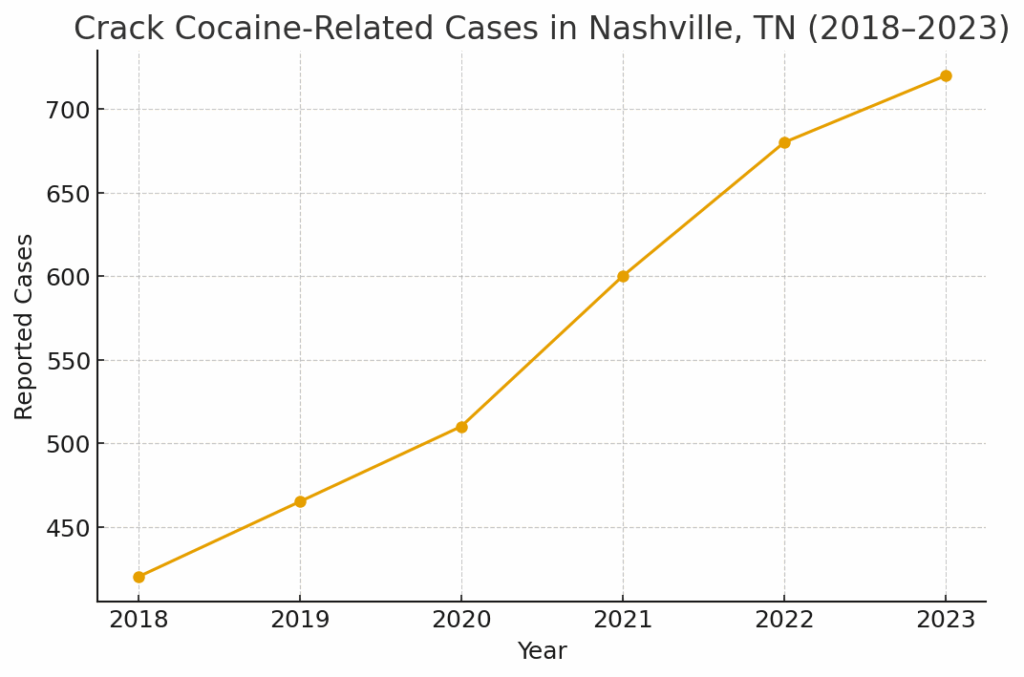
This rise in stimulant-related cases shows the importance of detox centers in protecting patient health and improving recovery outcomes.
Our detox protocols are carefully tailored by substance to address the unique withdrawal timelines and specific risks associated with each, ensuring personalized and effective care.
Substance | Detox Protocol | Supportive Measures |
|---|---|---|
Stimulants | Symptom-focused detox; no FDA-approved MAT. | Sleep support, anxiety relief, hydration and nutrition; monitor heart rate and blood pressure. |
Opioids | Compassionate Medication-Assisted Treatment (MAT) | Clonidine, anti-nausea medications for comfort |
Alcohol | Gradual, carefully managed benzodiazepine taper | Hydration therapy, essential nutritional support |
During detox, health professionals monitor symptoms such as nausea, vomiting, headache, or changes in blood pressure. Medications may be used to manage panic, insomnia, or depression. Patients receive consistent support from nursing staff and physicians trained in psychiatry and addiction medicine.
Detox often lasts 5 to 10 days, depending on dose history, length of use, and co-occurring conditions. Care is customized for each patient, with a focus on stabilizing the mind, brain, and body. Once detox ends, patients transition to rehab for long-term sobriety.
Detox is followed by evidence-based therapy to address behavior and thought patterns linked to stimulant use disorder. Cognitive behavioral therapy helps patients manage stress, anxiety, and relapse triggers. Dialectical behavior therapy is often used when impulsivity or emotion regulation issues are present.
Psychotherapy also addresses mental health issues like depression, paranoia, or suicidal ideation. Patients learn coping skills such as exercise, meditation, and breathing techniques to manage cravings. These therapies strengthen motivation for sobriety and improve overall health.
Many individuals with stimulant use disorder also face co-occurring conditions. Anxiety, major depression, and attention deficit hyperactivity disorder often appear in the same patient. Dual diagnosis care treats both addiction and mental health together for better outcomes.
Physicians and psychiatry experts provide medicine management, while therapists focus on coping tools and relapse prevention. This integrated approach ensures that both brain function and emotional well-being are addressed during treatment.
Substance Abuse and Mental Health Services Administration, Treatment Improvement Protocol 42: Substance Abuse Treatment for Persons with Co-Occurring Disorders (2005)
Our therapies address the unique needs of stimulant detox and long-term recovery, supporting both substance abuse and mental health concerns:

Psychotherapy: Helps patients work through paranoia, psychosis, or confusion that can follow stimulant misuse.
Mindfulness & Meditation: Improves concentration, sleep, and emotional balance while lowering stress and relapse risk.
Exercise & Lifestyle Therapy: Supports brain healing by boosting dopamine naturally, improving energy, and restoring healthy appetite and sleep.
Recovery from Ritalin addiction does not end after detox. Relapse is a common risk, making aftercare essential. Patients work with health professionals to build lifestyle changes that support sobriety. This includes exercise routines, nutrition planning, meditation, and ongoing therapy.
Support groups and community resources like Recovery Village and American Addiction Centers also provide valuable peer support. Continued management of attention, mood, and stress ensures healthier outcomes for patients.
Recovery is strengthened by healthy daily practices. Exercise improves dopamine levels, while meditation reduces stress and improves sleep. Patients learn to manage energy, pressure, and attention span in healthier ways.
Sobriety allows the mind and body to heal, improving memory, concentration, and motivation. A wellness-centered lifestyle reduces relapse risk and supports long-term health.
Insurance often covers detox and rehab services, making treatment more accessible. Health insurance plans may include inpatient, outpatient, and medication coverage. Nashville Wellness assists patients with insurance verification to reduce financial stress.
Accessible care ensures that every patient has the opportunity to pursue recovery without delay. Our team provides information on policy details, coverage options, and health care rights.
Nashville Wellness provides safe, evidence-based detox and rehab for stimulant addiction. Our programs emphasize health, patient safety, and individualized care. With licensed physicians, psychiatry support, and therapy experts, we create a recovery plan that fits each individual.
As a treatment center in Tennessee, we are committed to helping patients overcome stimulant use disorder. By addressing mental health, substance abuse, and physical dependence, we provide the tools for lasting sobriety.
Ritalin detox is the first step toward healing from stimulant addiction. With professional guidance, patients can safely manage withdrawal and prepare for long-term recovery. Nashville Wellness offers inpatient rehab, therapy, and aftercare programs that address the full spectrum of addiction and mental health needs.
Recovery is possible with the right support. With a focus on patient motivation, safe environments, and ongoing care, Nashville Wellness helps individuals achieve sobriety and rebuild their lives.
At Nashville Wellness, our approach to Drug & Alcohol Detox In Nashville, TN is firmly rooted in science and clinical best practices. Our programs and protocols are continuously reviewed to ensure they align with the latest research in addiction medicine and mental health. We prioritize outcomes for every patient we serve.
Verify Your Insurance
Complete the form below for confidential access to our support team.
Still have questions? Contact us below.
Most withdrawal symptoms last one to two weeks, though fatigue, depression, or cravings may persist longer. The duration depends on dose, length of use, and mental health factors.
Detoxing at home is risky due to side effects like suicidal ideation, hypersomnia, and panic. Medically supervised detox centers are safer and more effective.
After detox, patients typically enter inpatient rehab or outpatient programs. Therapy and relapse prevention strategies support long-term sobriety.
Yes, most health insurance plans cover detox and rehab. Nashville Wellness helps patients verify policy details and maximize coverage.