
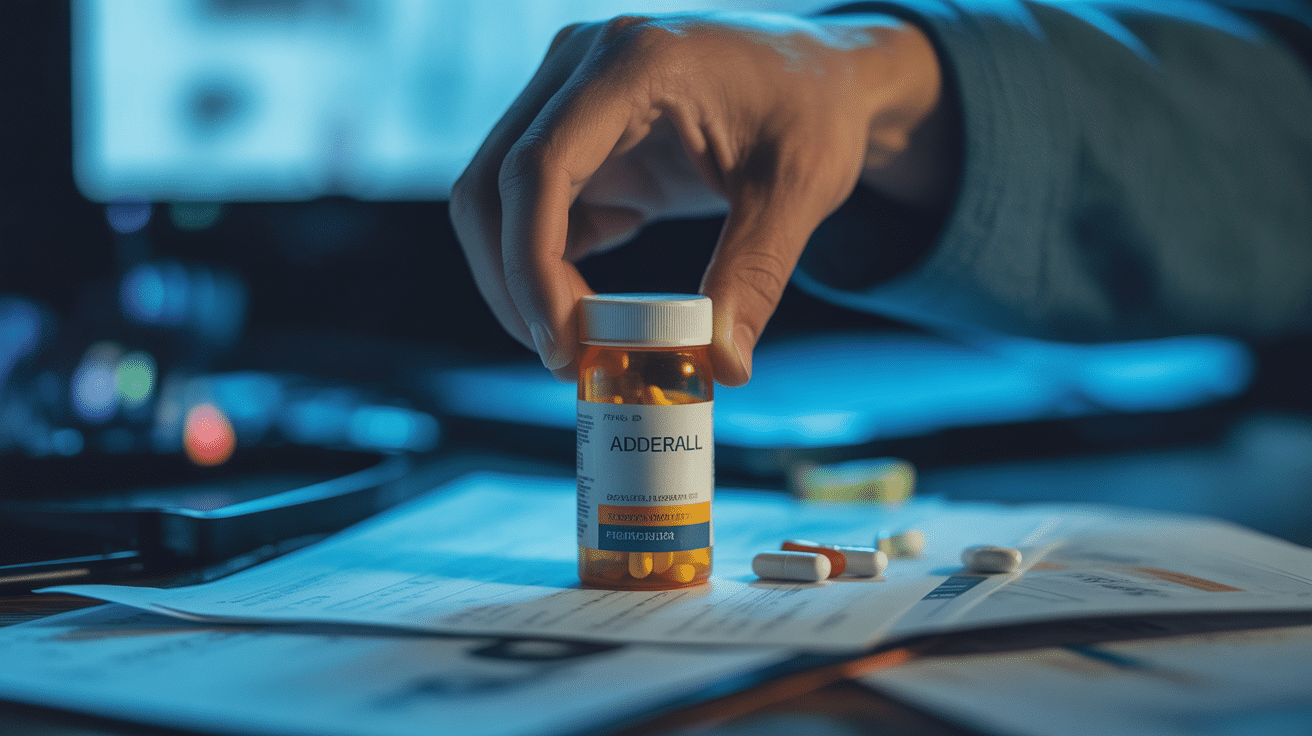
Is Adderall Addictive? Warning Signs & Dangers Exposed
Is Adderall Addictive?
Adderall is a prescription stimulant widely used to treat attention deficit hyperactivity disorder (ADHD). While it can help improve focus and attention, many people ask: is Adderall addictive? The answer depends on how it is used, the individual’s health, and the presence of substance abuse risk factors. This blog explores the risks, symptoms, and treatment options tied to Adderall addiction.
What is Adderall?
Adderall is a controlled substance that combines two amphetamine salts: amphetamine and dextroamphetamine. This medication increases alertness, concentration, and energy by acting on the brain’s reward system. It is commonly prescribed for ADHD and sometimes for narcolepsy.
When used under a physician’s care, Adderall can improve cognition, motivation, and attention. However, misuse or abuse of this stimulant can lead to substance dependence, addiction, and serious health risks.
Is Adderall Addictive?
Adderall has a high potential for abuse and addiction. Classified as a Schedule II controlled substance, it carries the same risk level as methamphetamine and opioid medications. The Diagnostic and Statistical Manual of Mental Disorders recognizes stimulant use disorder as a diagnosable condition.
Individuals who misuse Adderall for energy, weight loss, or concentration outside of prescribed use face greater risks. Over time, tolerance develops, leading to higher doses and an increased chance of relapse or overdose.
Why People Misuse Adderall
Academic Pressure
College students often misuse Adderall to study longer, improve concentration, or fight fatigue. This behavior is risky and can quickly spiral into substance abuse problems.
Work and Performance Demands
In workplaces, some misuse Adderall to boost productivity, motivation, and alertness. While the short-term effect may seem positive, long-term misuse can damage mental health and lead to addiction.

Weight Loss
Because stimulants reduce appetite, some individuals misuse Adderall for weight loss. This unhealthy behavior not only strains the body but also increases risk for abuse and addiction.
How Adderall Affects the Brain
Adderall stimulates the central nervous system and elevates dopamine and norepinephrine levels. These neurotransmitters are linked to pleasure, energy, and focus. Misuse hijacks the brain’s reward system, making it harder for natural behaviors like exercise, diet, and sleep to feel rewarding.
This disruption can lead to compulsive drug-seeking behavior, cravings, and withdrawal symptoms once use stops.
Signs of Adderall Addiction
Recognizing addiction early can save lives. Common signs include:
- Extreme fatigue when not using the drug
- Changes in behavior such as aggression, impulsivity, or irritability
- Weight loss, nausea, dizziness, and headache
- Sleep issues like insomnia or shortness of breath
- Increased stress, anxiety, or panic attacks
- Neglect of responsibilities in school, work, or community life
- Continued use despite physical pain, confusion, or organ strain

Physical Health Risks of Adderall Addiction
Misuse can cause serious health issues:
- Cardiac arrest or seizure due to stimulant toxicity
- Hyperthermia, psychomotor agitation, and irritability
- Vomiting, allergy reactions, or muscle pain
- Dizziness, breathing difficulties, and chest pain
- Increased risk of overdose, especially when mixed with alcohol, opioids, or benzodiazepines like diazepam
Long-term abuse and addiction can result in memory loss, depression, and reduced quality of life.
Psychological Risks
Misuse impacts mental health, increasing risk of anxiety disorders, dysphoria, aggression, and paranoia. Research shows a clear link between stimulant use disorder and relapse into other substance abuse.
Adderall misuse can also co-occur with alcohol intoxication, opioid use disorder, or depressant misuse, creating dangerous combinations.
Adderall and Alcohol
Mixing Adderall with alcohol is especially dangerous. The stimulant effects can mask alcohol intoxication, leading to excessive drinking and higher risk of alcohol poisoning. This combination raises the chance of overdose, cardiac arrest, and death.

Adderall and Other Drugs
Adderall misuse alongside methamphetamine, fentanyl, opioids, or benzodiazepines increases toxicity and health risks. These combinations put additional stress on the nervous system, increasing chances of organ failure, overdose, and relapse.
Adderall Overdose
Symptoms of overdose include confusion, nausea, headache, aggression, and panic. Severe overdose can cause seizures, cardiac arrest, or death. Emergency medical care is essential in these situations.
Withdrawal and Relapse
Stopping Adderall suddenly can trigger withdrawal symptoms: fatigue, depression, anxiety, and cravings. Relapse often occurs if treatment is not supported with therapy, peer support, and structured management.
How Nashville Wellness Can Help
At Nashville Wellness, we specialize in treating stimulant abuse including Adderall with safe detox, medical oversight, and therapy programs. Our treatment center helps patients regain control by addressing both substance abuse and mental health needs.
We offer inpatient rehab and intensive outpatient programs that focus on sobriety, relapse prevention, and lifestyle rebuilding. Our team works with insurance providers to ensure accessibility and affordability of care.
Dual Diagnosis and Stimulant Addiction
Many people struggling with Adderall misuse also face co-occurring disorders such as anxiety, depression, or opioid use disorder. Treating addiction without addressing mental health often leads to relapse.
Our dual diagnosis program integrates psychiatry, therapy, and recovery planning. By treating both the addiction and the mental disorder together, patients gain long-term stability and improved quality of life.
Misdiagnosis and Other Prescription Drug Abuse
Adderall is sometimes prescribed incorrectly, leading to misuse in patients who may not have ADHD. Misdiagnosis can result in dependency, poor mental health, and substance abuse problems.
Beyond Adderall, other prescription drugs like opioids, benzodiazepines, and stimulants such as Ritalin also carry high risk for abuse and addiction. Recognizing patterns of misuse across medications helps physicians and treatment centers design better recovery plans.
Treatment for Adderall Addiction
Therapy Options
- Cognitive Behavioral Therapy (CBT): Helps patients restructure negative thoughts linked to substance use.
- Dialectical Behavior Therapy (DBT): Teaches stress management, emotional regulation, and coping skills.
- Contingency Management: Uses incentives to reinforce sobriety and positive behavior changes.
- Meditation and Stress Management Practices: Improve mind-body connection and lower anxiety.
Medication Support
Physicians may use medications to manage anxiety, nausea, or sleep problems during detox. Benzodiazepines like diazepam may be used in controlled cases to address seizures or psychomotor agitation.
Peer and Community Support
Recovery is stronger with community engagement. Peer support, group therapy, and education programs help build resilience and maintain long-term sobriety.
Accessibility and Insurance Coverage
Many people worry about accessibility and insurance. Treatment centers often work with health insurance providers to reduce financial barriers. Accessibility is also improved through telehealth options, online therapy sessions, and community-based peer programs.
Recovery and Lifestyle Changes
Recovery requires long-term commitment. Lifestyle changes such as balanced diet, physical activity, meditation, and stress management can restore health. Education, feedback from therapists, and building supportive community connections are key to lasting sobriety.
Sobriety is a gradual process, but with motivation, peer support, and professional guidance, individuals can overcome Adderall addiction and reclaim their quality of life.
FAQs
1. Can Adderall cause permanent damage to the heart?
Yes, prolonged misuse can increase risk of cardiac arrest and organ strain. Medical evaluation is recommended for anyone with stimulant use disorder.
2. What’s the difference between Adderall and methamphetamine?
Both are stimulants, but methamphetamine is more potent and highly addictive. Adderall, while legal by prescription, can still lead to substance dependence.
3. How does stress management help in recovery?
Stress often triggers cravings and relapse. Techniques like meditation, physical activity, and therapy reduce stress and strengthen long-term sobriety.
4. Is misusing Adderall the same as having ADHD?
No. Misdiagnosis can happen, but misuse occurs when Adderall is taken without proper need or in higher doses, which raises risk of addiction and overdose.